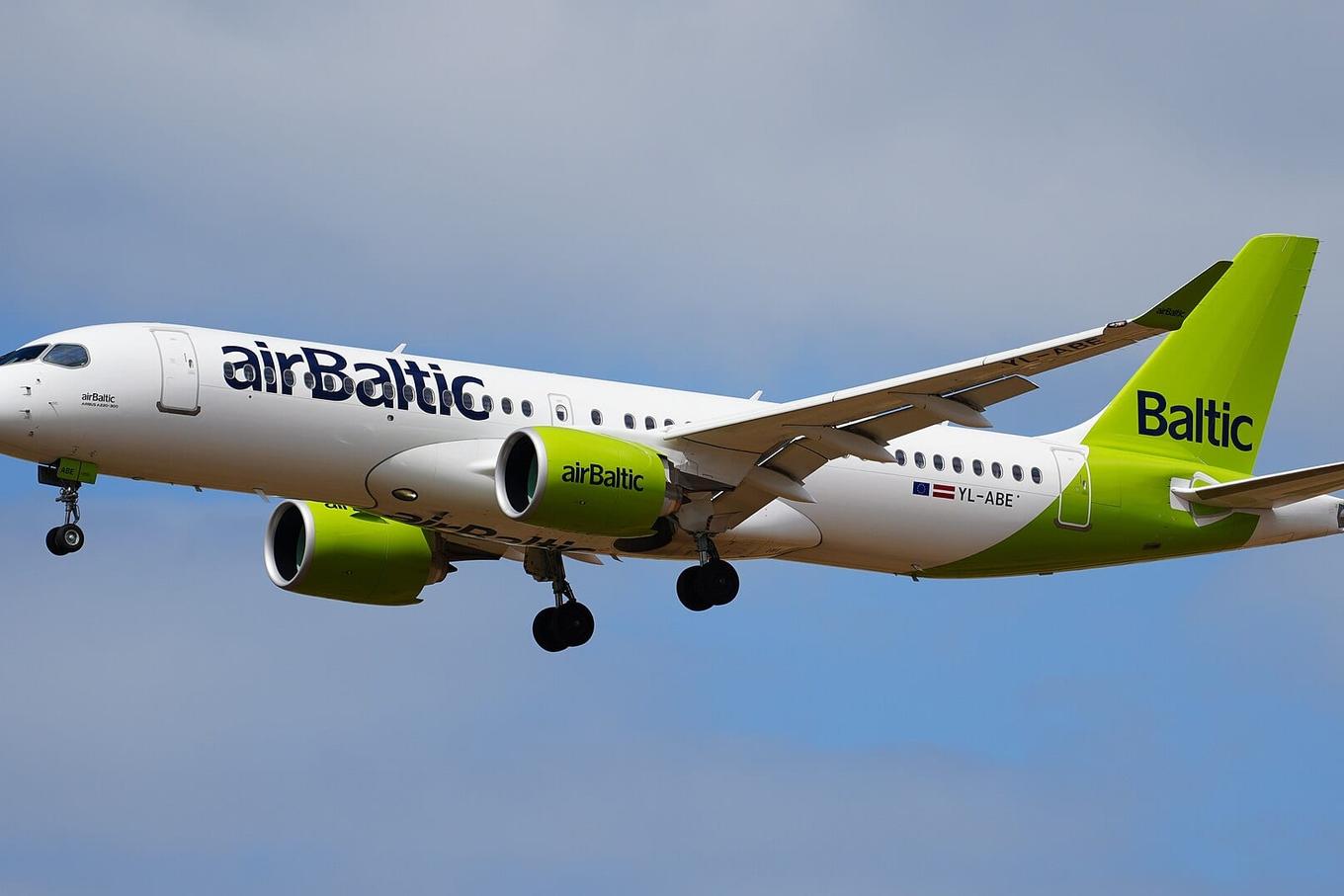
airBaltic, the flag carrier of Latvia, filed for Chapter 11 bankruptcy protection in the US Bankruptcy Court for the Southern District of New York on Monday, 14 September 2026, according to Reuters and Aviation Week. The filing also covers two subsidiaries, AirBaltic Training and the Baltijas Kravu Centrs cargo centre, and marks the start of a court-supervised process the company expects to complete by around June 2027.
Chapter 11, a US legal mechanism that allows companies to keep operating while restructuring debts under court supervision, is unusual for a European carrier but not unprecedented: Scandinavian Airlines used the same process in an earlier restructuring. airBaltic said it chose the route partly because its financial obligations are international and the process is well established.
A €350 million lifeline
To keep flying during the process, airBaltic has secured a commitment for €350 million (roughly $404-406 million) in debtor-in-possession financing, subject to court approval. The loan, provided by a group including Strategic Value Partners, Barclays, Hayfin Capital Management, Morgan Stanley and Oaktree Capital Management, carries an interest rate of the Secured Overnight Financing Rate (SOFR, a US benchmark lending rate) plus 8 percentage points, or roughly 12% at current levels.
That financing followed a reported attempt, just days earlier, to secure a smaller €257 million lifeline at a steeper 25% interest rate, according to Air Data News. The switch to Chapter 11 and cheaper DIP financing suggests the airline judged US court protection preferable to costlier private rescue funding.
Ownership, losses and reassurances
The Latvian government holds an 88.37% majority stake in airBaltic, with Germany’s Lufthansa Group owning 10% after acquiring the stake in 2025 as part of a closer partnership. The airline’s existing management and supervisory boards will remain in place throughout the restructuring.
The company reported 2025 revenue of €779.3 million, up 4.2% on the previous year, alongside a net loss of €44.3 million. Passenger numbers rose 1% to 5.2 million. Losses have deepened since: airBaltic posted a €70 million net loss in the first quarter of 2026 alone. The airline points to weak liquidity, higher fuel costs linked to Middle East tensions, lingering pandemic effects, disruption from the war in Ukraine, and prolonged problems with Pratt & Whitney’s geared turbofan engines as key pressures.
“Our focus is on continuing to run the airline while implementing the changes set out in our new business plan.” — Erno Hildén, President and CEO of airBaltic
“For our passengers, our operations continue as normal. We are flying, selling tickets and planning our future schedule.” — Erno Hildén, President and CEO of airBaltic
airBaltic operates the world’s largest single-type fleet of Airbus A220 aircraft, with 55 in service, and serves as a key connectivity hub for the Baltic region. The company says it has up to 25,000 creditors, with the largest single claim reported at $66.5 million. The airline was founded in Riga in 1995 and is headquartered in the Mārupe municipality near the Latvian capital.
This article is free to read. It always will be — no paywall, no account, no tracking.