When the Strait of Hormuz was closed during the conflict with Iran, and a coordinated emergency release of national reserves followed, one country did more than any other to stop the oil market seizing up. According to the US Energy Information Administration, China held the largest strategic oil reserves in the world before the closure, and it drew on them heavily as Middle Eastern supply was disrupted.
The EIA estimates China added roughly 1.1 million barrels a day to its strategic stocks through 2025, taking them to nearly 1.4 billion barrels by December. Commercial crude inventories reached about 1 billion barrels, against 411 million barrels held commercially in the United States. Because Beijing does not publish inventory data, these figures are estimates pieced together from trade flows and refinery activity.
A stockpile built in the quiet years
The scale stands out against China’s peers. The US Strategic Petroleum Reserve held 413 million barrels in December 2025 and about 409 million by April 2026, while Japan’s government reserves stood near 263 million barrels. China’s combined holdings dwarf those of several large importers put together, which is why its buying and selling now move the whole market.
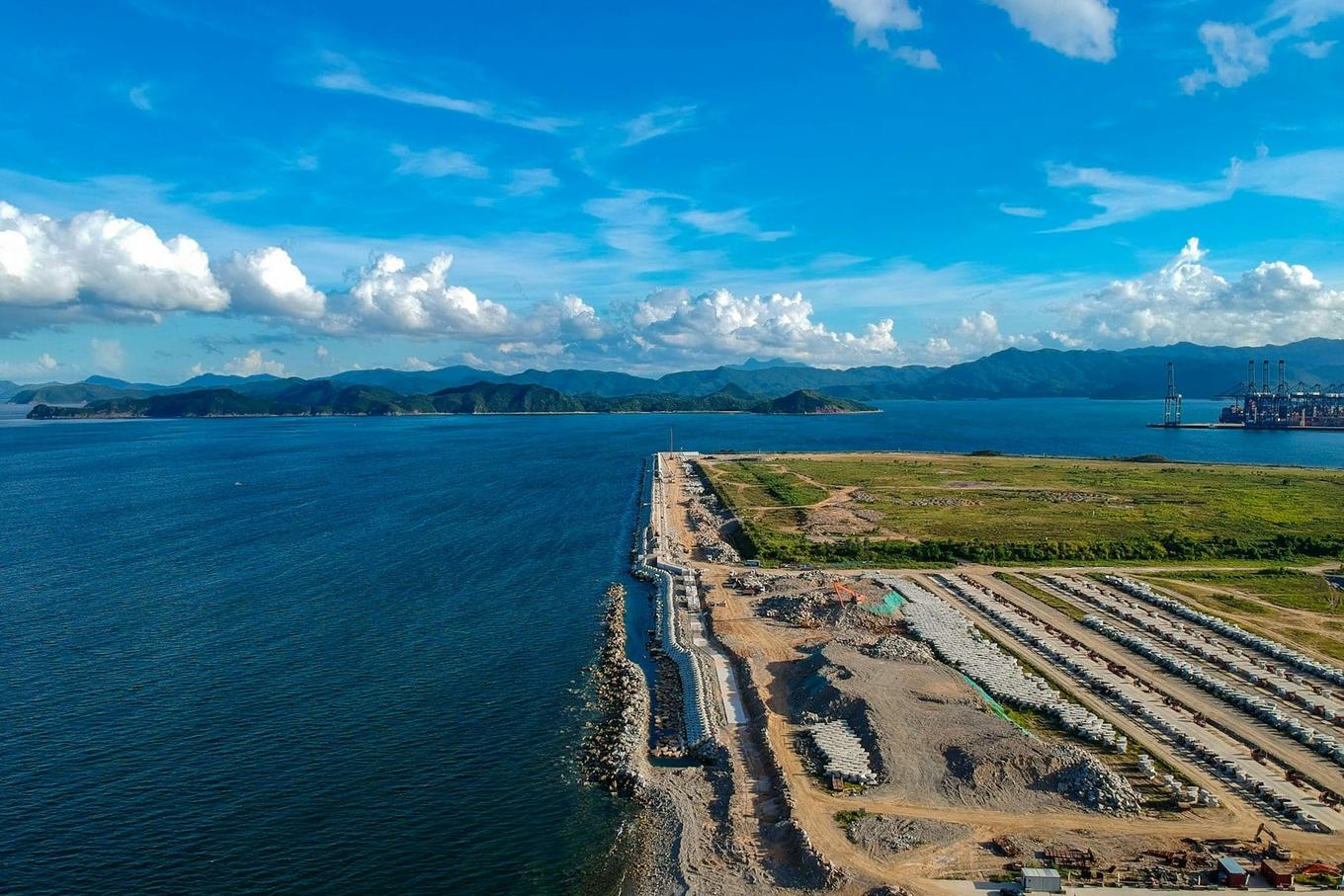
The buildup was patient and deliberate. Enerdata reports that state oil firms including Sinopec and CNOOC plan to add at least 169 million barrels of storage across 11 sites in 2025 and 2026, an effort that gained urgency after Russia’s 2022 invasion of Ukraine. For years China imported more crude than it refined and consumed, and whenever prices drifted toward $60 a barrel, Chinese buyers reappeared. That steady accumulation absorbed a global surplus and helps explain why prices did not fall further despite ample supply.
As the world’s largest net oil importer and holder of the biggest reserves, China now has influence over crude comparable to what big producers such as Saudi Arabia once enjoyed.
Managing demand, not just supply
The reserves were only half the story. Analysts say the more consequential move was demand management, reducing the oil flowing into the economy in the first place. China banned exports of refined products such as gasoline, diesel and jet fuel, which cut throughput at state-owned refineries and the crude they needed. Analysts estimate crude imports fell by around 40% between April and June as stocks were run down instead.
Electrification did much of the rest. More than half of new passenger cars sold in China are now electric, along with a growing share of trucks, and analysts note that charging has risen faster than the fleet itself as companies and drivers switch away from fuel. Sales of gasoline, diesel and jet fuel fell by well over 10% in the second quarter, a drop that caught many traders off guard, supported by high-speed rail, urban transit and simple changes in behaviour.
Inventory buying may return as Middle Eastern supply recovers, but demand lost to electrification is unlikely to come back.
Energy security as national strategy
To understand the strategy, look to the ruling Communist Party’s priorities. China is the world’s largest energy consumer, and its growth model depends on keeping factories running, so secure supply is a political imperative. Much of the country’s climate agenda is, in practice, an energy security agenda, because China lacks large domestic reserves of oil and gas and has long relied on imports.
That logic is visible in the power sector. China remains the world’s biggest coal consumer, yet coal’s share of electricity fell below half this year for the first time, down from about 80% in 2011, while the share from renewables topped 40%. The China National Petroleum Corporation expects domestic energy self-sufficiency to reach about 85% this year, and Goldman Sachs projects China could reach full self-sufficiency by around 2060, though it is far from there yet.
Sanctions are the other driver. A 2025 energy law now requires state-owned and private companies to hold strategic crude reserves for the first time, setting the groundwork for a more coordinated effort. Before the conflict, China bought at least a fifth of its oil from sanctioned suppliers, chiefly Iran, Russia and Venezuela, with many barrels arriving relabelled as Malaysian. Analysts reckon Beijing may now hold 150 days or more of forward cover, a cushion against both shortages and Western sanctions.
For a country facing an ever-wider net of sanctions, the most straightforward and prudent response is to insulate itself from their direct effect.
What it means for the rest of the world
The consequences reach well beyond China’s borders. Goldman Sachs told Bloomberg that Beijing was likely to keep stockpiling at pace, adding around 500,000 barrels a day over five quarters, a bet on low prices and energy security. Its buying has helped keep Brent broadly between $60 and $70 a barrel. If electrification permanently erodes demand, the long-term floor under prices could fall, shrinking the market OPEC serves and straining Russia, which depends heavily on Chinese buyers for its exports.
Beijing looks unlikely to reverse course. It is expected to keep electrifying transport, expand domestic production and invest in turning coal into liquid fuels, a process that is highly emissions intensive and could carry significant climate costs if it scales up. Whether the label is oil fortress or global shock absorber, recent months suggest China has acquired a new and durable form of leverage over the world’s energy system, and little appetite to give it back.
This article is free to read. It always will be — no paywall, no account, no tracking.