China has warned the United States it will retaliate if Washington expands its sanctions campaign against Iran, after the Trump administration announced a sweeping new round of measures aimed at Iran’s oil trade and the network of companies that sustain it.
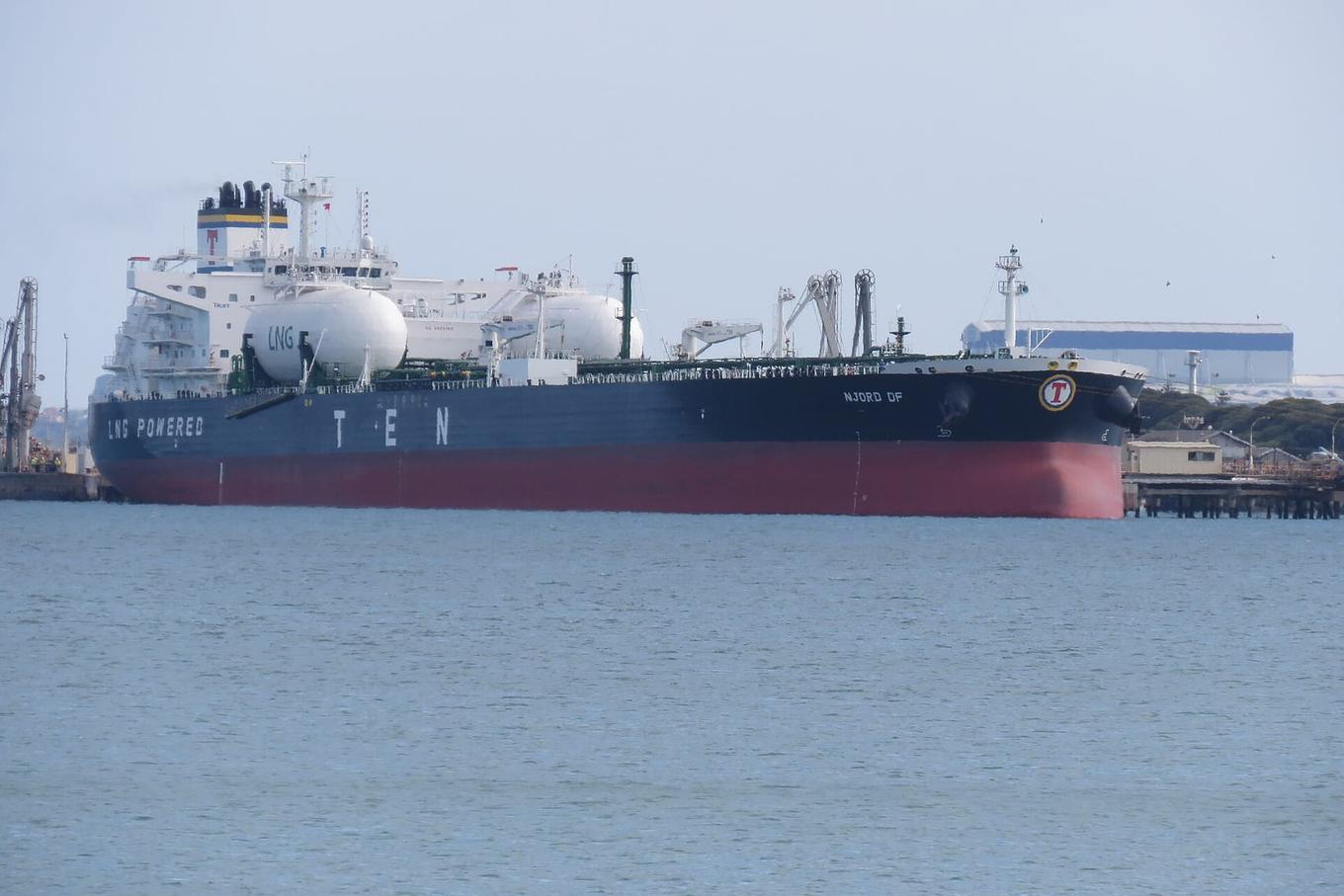
The US Treasury Department, led by Secretary Scott Bessent, unveiled sanctions on Monday against nearly 60 entities and individuals, according to the Associated Press. The list includes brokers, shell companies and so-called shadow-fleet vessels operating across the United Arab Emirates, Hong Kong, mainland China, Singapore, Switzerland and Europe, all accused of moving Iranian oil and channelling revenue to Iran’s Islamic Revolutionary Guard Corps.
Hong Kong firm named in sanctions list
Among those named was Sweet Ocean Industrial Limited, a Hong Kong-registered company accused, alongside associated individuals and businesses, of helping Iran acquire sensitive equipment including laser optics, according to the Treasury’s announcement.
China’s Foreign Ministry gave its first official response on Tuesday. Spokesman Lin Jian told reporters Beijing opposes unilateral sanctions and what he called ‘long-arm jurisdiction’, the extraterritorial application of US law to foreign companies, and said China would act to protect its own firms and citizens.
We will take all necessary measures to firmly safeguard the legitimate rights and interests of Chinese companies and nationals.
Lin also cautioned that sanctions and pressure tactics tend to ‘lead to escalation’ and that ‘escalation serves no one’s interests’, according to the Express Tribune. He urged all parties to ‘act rationally and with restraint’ and avoid steps that could damage global economic growth and financial stability.
An ‘economic D-Day’ campaign
Bessent has framed the sanctions push as an ‘economic D-Day’ effort to eliminate Iran’s remaining sources of revenue, roughly six months into the US-Iran conflict. China is Iran’s largest oil customer, buying an estimated 90% of its crude exports, which makes Beijing’s cooperation central to any American effort to isolate Tehran economically.
We want to make clear here today that no one is above the reach of U.S. sanctions.
Bessent went further, warning that any country maintaining ties with Iran risks being pushed out of the dollar-based financial system: ‘Any remaining tie to Tehran will hasten a nation’s economic oblivion, whether that tie be purposefully constructed or willfully ignored,’ he said, according to AsiaFinancial. Asked directly whether Chinese banks could be targeted, he did not rule it out.
China, for its part, has indicated it will not scale back its economic relationship with Iran despite the expanded sanctions. Iran itself condemned the measures as ‘economic terrorism’, calling them ‘bound to fail’, and threatened to retaliate against any country that supports Washington’s approach. China has separately said it remains committed to promoting peace talks and to restoring what it called ‘peace and tranquility in the region’, though it gave no indication that its position on the sanctions had softened.
This article is free to read. It always will be — no paywall, no account, no tracking.