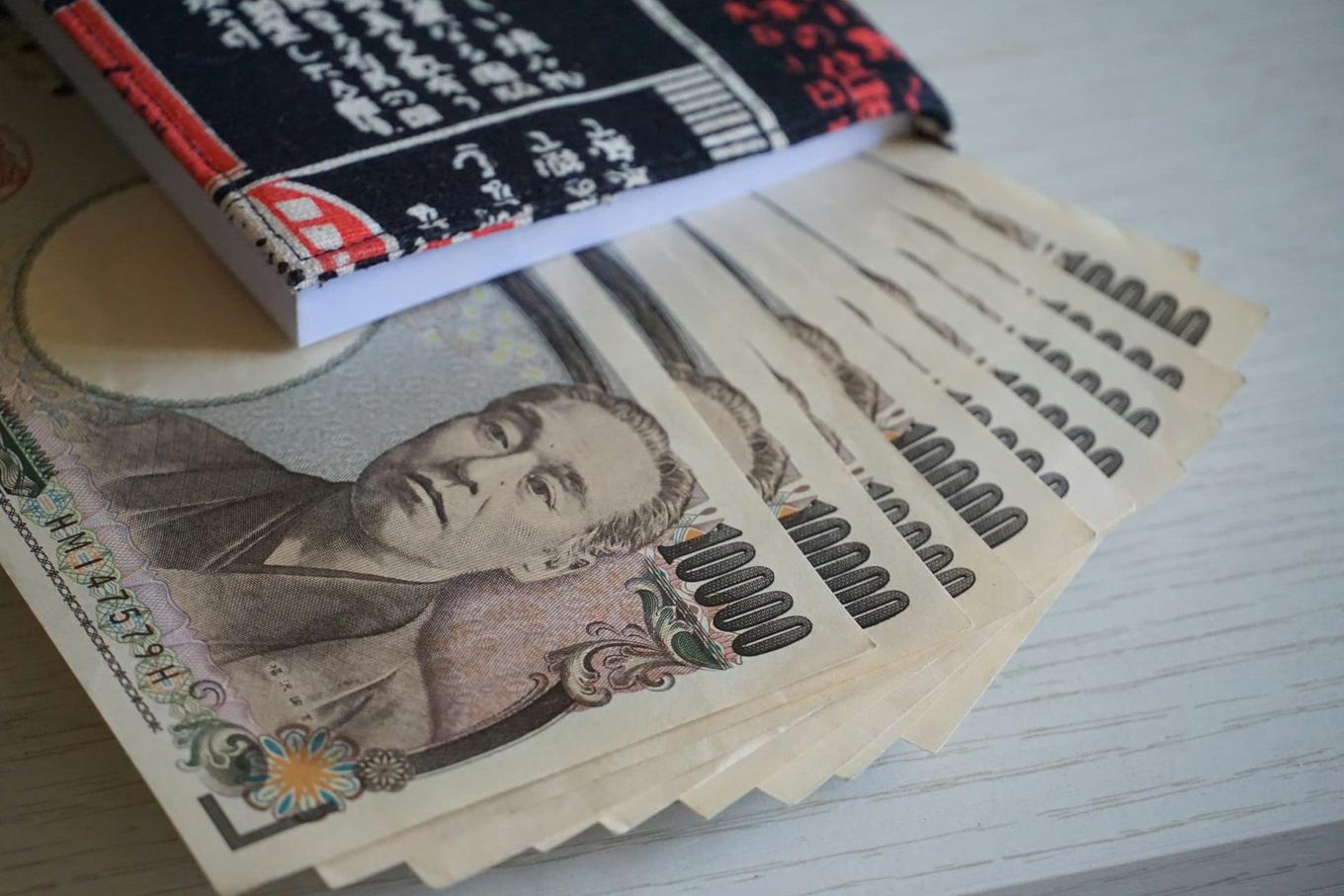
The Japanese yen weakened past ¥160 to the dollar on Friday 28 August, trading around ¥159.85-¥160.20, its weakest level in roughly a month, according to Nikkei Asia. The slide followed a hawkish speech from new Federal Reserve Chairman Kevin Warsh at the Jackson Hole Economic Policy Symposium in the United States, in which he suggested the Fed may need to raise interest rates further if inflation does not ease quickly enough.
We must be confident that underlying inflation is moving to our objective, clearly and at sufficient speed.
That comment, reported by CBS News and Al Jazeera, was enough to push US Treasury yields higher and widen the gap with Japanese borrowing costs, a gap that has been the main driver of yen weakness for much of the past two years. The following Monday, the yield on Japan’s benchmark 10-year government bond climbed to a fresh 30-year high of 2.95%, according to Nikkei Asia, as it tracked the move in US Treasuries.
A record intervention unravels
The renewed weakness is notable because it comes barely a month after Japan’s Ministry of Finance and the US Treasury carried out a record coordinated intervention to support the yen. Japan disclosed on 28 August that yen-buying, dollar-selling operations conducted from late July through August totalled roughly ¥15.4 trillion, or between $96.5 billion and $98.7 billion, by far the largest such intervention on record, according to the Wall Street Journal and BigGo Finance.
That effort briefly pushed the yen up to around ¥155.20 from a 40-year low near ¥164, according to Japan Today. But the currency has now given back more than half of that gain. Japan’s Ministry of Finance said it ‘will not hesitate to conduct further coordinated interventions in the future’ and remains in close contact with US authorities, though it has not signalled a new operation is imminent.
Washington and Tokyo prepare for talks
US Treasury Secretary Scott Bessent, who has backed Japan’s intervention efforts, described the yen’s recent moves as “pretty well contained” and said he expects Bank of Japan Governor Kazuo Ueda to act appropriately on monetary policy with the support of Prime Minister Sanae Takaichi. Bessent has also called for the Fed’s Foreign and International Monetary Authorities repo facility to be expanded, which would let Japan borrow dollars against its Treasury holdings for future yen purchases without having to sell those holdings outright.
Japanese Finance Minister Satsuki Katayama is expected to meet Bessent on the sidelines of the G20 finance ministers and central bank governors meeting in North Carolina to discuss currency policy. Markets are largely pricing in a further rate rise from the Bank of Japan, whose policy rate stood at around 1.0% as of August, though the Takaichi government’s push to cut consumption tax on food is seen by analysts as complicating the yen’s underlying fundamentals even as the central bank moves toward tighter policy.
Takahide Kiuchi, an economist at Nomura Research Institute, has suggested Bessent may use the G20 meeting to press Japan on fiscal discipline and further Bank of Japan rate hikes in exchange for continued US support for coordinated intervention, a dynamic that could shape how forcefully, and how soon, Tokyo is willing to act again.
This article is free to read. It always will be — no paywall, no account, no tracking.