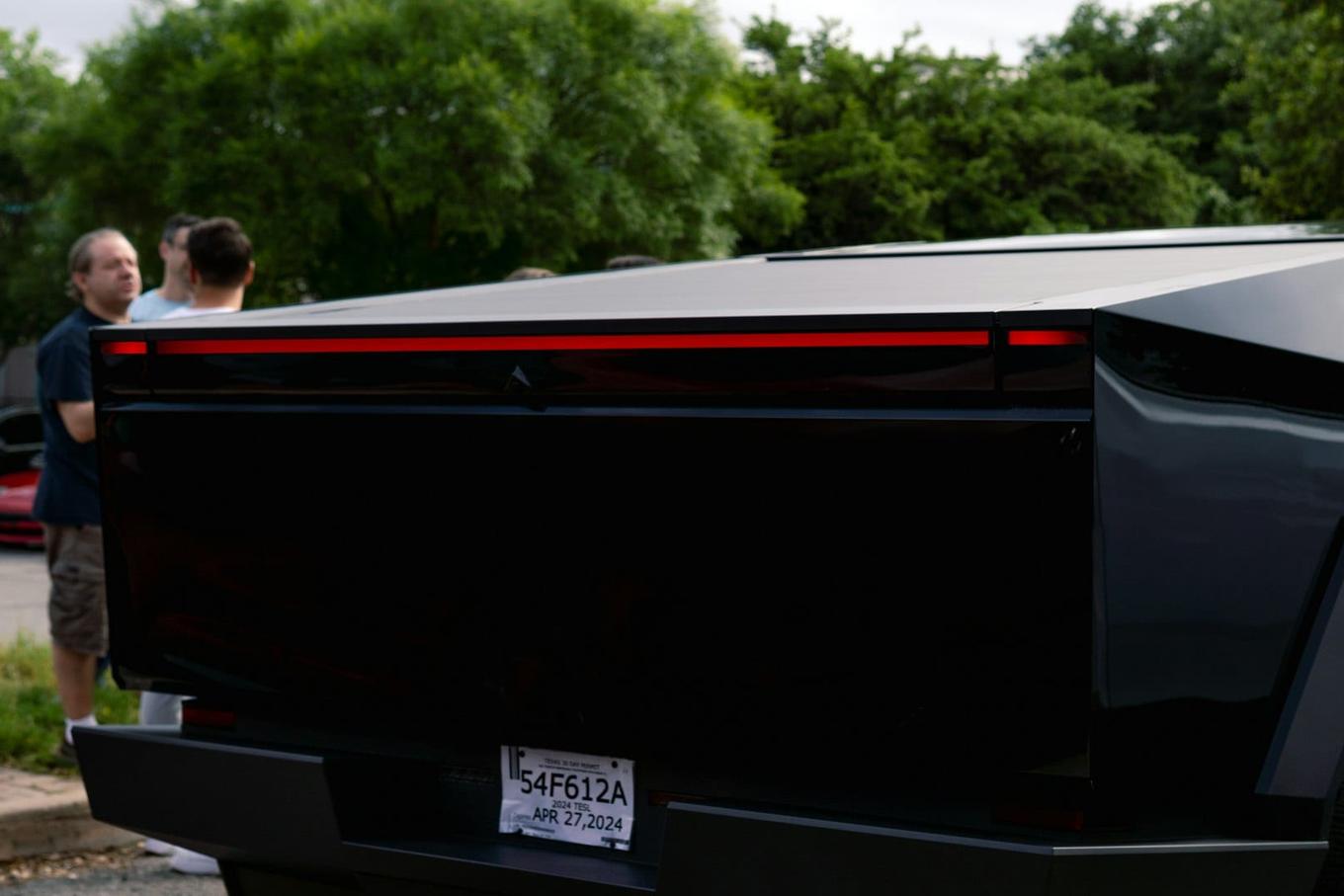
The US National Highway Traffic Safety Administration (NHTSA) has launched an investigation into Tesla’s Cybercab robotaxi, just hours after the vehicles began operating on public roads in Austin, Texas. The agency’s probe will examine roughly 1,000 of the driverless vehicles, according to Reuters.
The Cybercab is a two-seat autonomous vehicle built without a steering wheel, control pedals or mirrors, equipment that federal safety standards typically require. Tesla put the first production models into service on the evening of 3 September, and NHTSA announced its inquiry the following morning.
What the investigation covers
According to reporting by Yahoo Autos and Reuters, the audit will scrutinise the technical data and process Tesla used to claim the Cybercab complies with federal motor vehicle safety standards. The probe includes at least nine documented crashes involving Cybercabs, among them a collision that killed a pedestrian.
Tesla is also facing a separate investigation over allegations that it failed to report crash data promptly, as required under US federal rules. NHTSA already has several other open investigations into Tesla’s camera-only autonomous driving systems, including concerns about how the technology performs in fog, sun glare and dust.
“NHTSA is in contact with Tesla and is evaluating the situation,” an agency spokesperson said, according to Yahoo Autos.
No prior approval required
Under the US regulatory model, manufacturers self-certify that new vehicles meet federal safety standards before selling or deploying them; there is no requirement for government sign-off in advance. Texas state authorities did not independently review or approve Tesla’s Cybercab deployment before the vehicles went into service, according to Tech Times.
This differs from the approach used across the European Union and United Kingdom, where vehicles generally require type-approval, an independent government or authorised-body inspection confirming compliance, before they can be sold or put into public service. EU General Safety Regulation rules and UNECE vehicle standards also generally require physical driving controls unless a vehicle has gone through a specific approval process for automated driving systems without them.
The Cybercab’s deployment without a steering wheel or pedals would likely face a markedly different, and slower, regulatory path in Europe, where authorities such as Germany’s KBA and the UK’s DVSA have previously examined Tesla’s driver-assistance systems before allowing their use on public roads.
For now, NHTSA’s investigation remains focused on the US deployment. It is not yet clear how long the audit will take or whether it will lead to a recall, a suspension of the Austin service, or changes to the vehicle’s design.
This article is free to read. It always will be — no paywall, no account, no tracking.